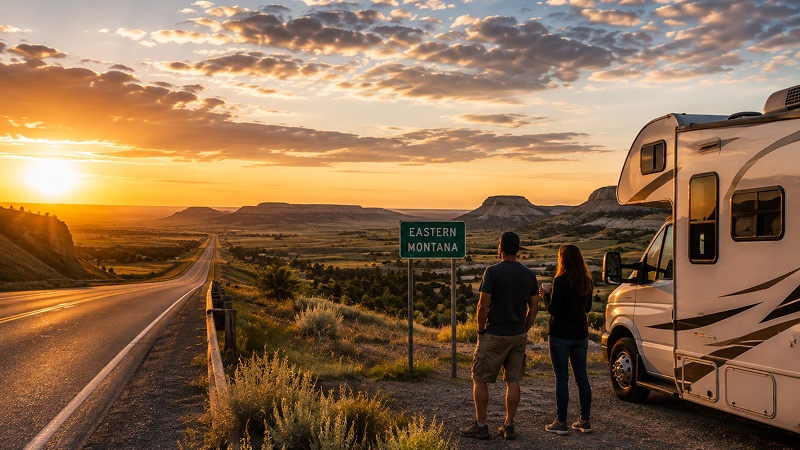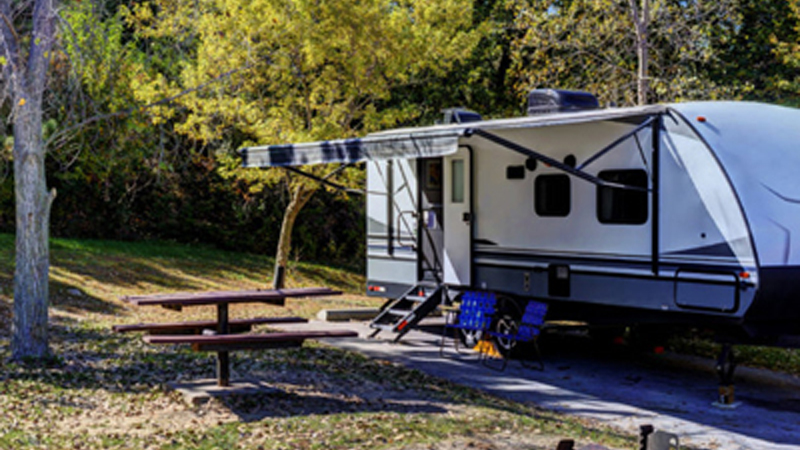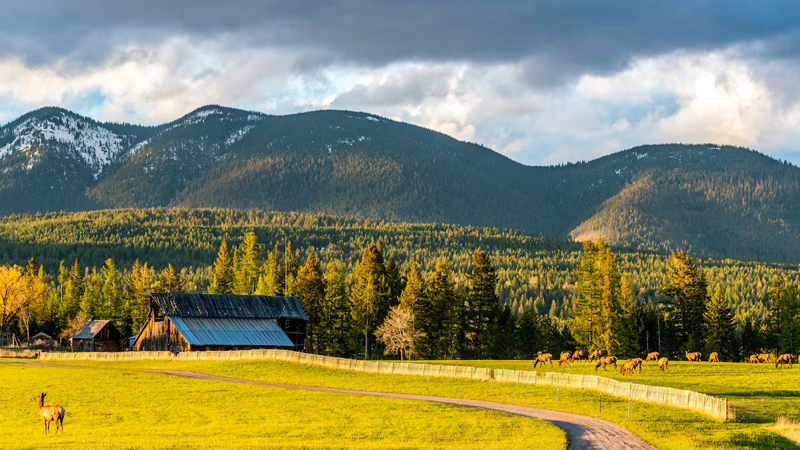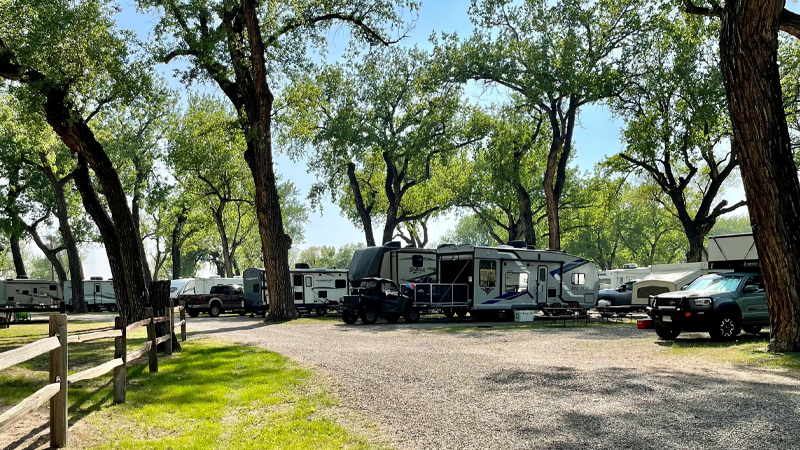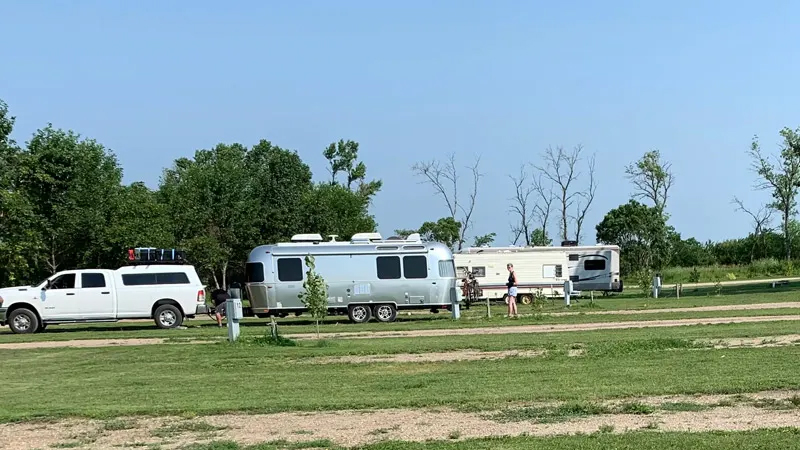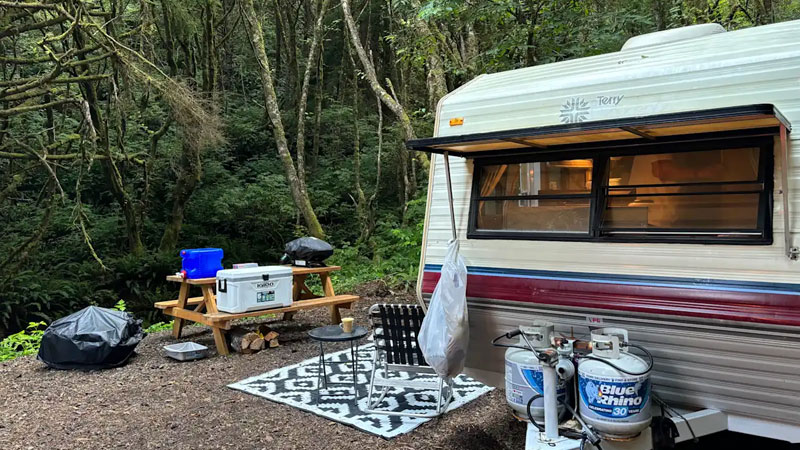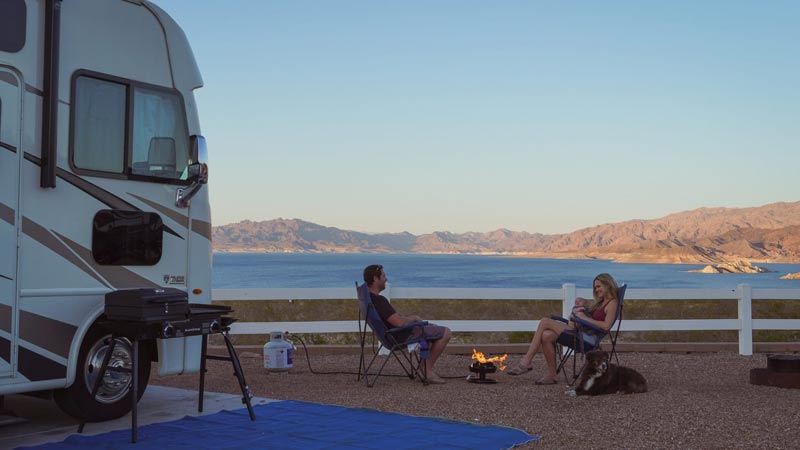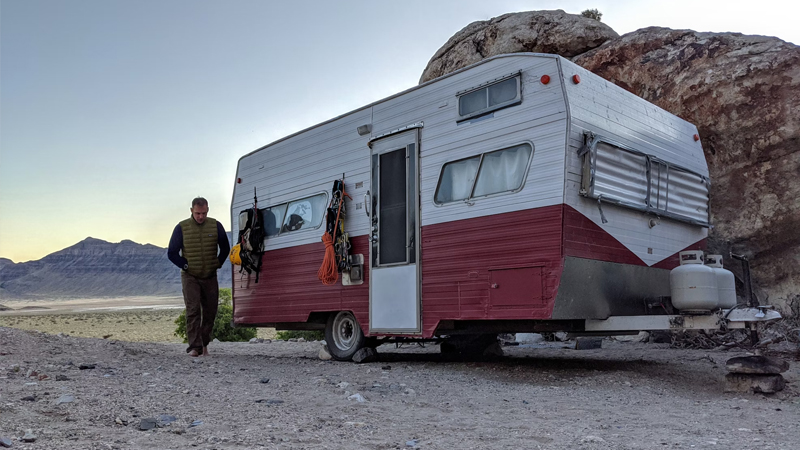
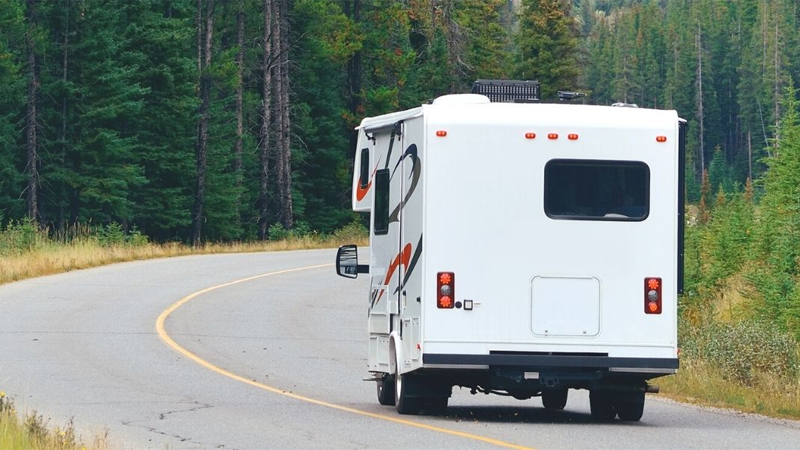
Driving an RV through open country feels different the moment traffic lights disappear. The air changes and the roads stretch longer. Out near places like Terry RV Oasis, the quiet becomes part of the reason people visit. Still, rural travel comes with its own set of small hurdles. None of them are dramatic, but they do require attention. Here is a comprehensive list of common challenges and how you can handle them.
Fuel Stops Are Not Around Every Corner
In cities, fuel stations are frequent. In rural areas, you might drive thirty or forty miles before seeing one. Waiting until the tank is nearly empty is not a smart strategy here. A better rule is simple: refill when you reach half a tank if you are unsure about the next town. It also helps to glance at a map before leaving. That small habit removes unnecessary stress and keeps the journey relaxed.
Water and Tank Management Matter More
When you are traveling through remote areas, hookups are not always guaranteed. Before leaving a full-service park, top off fresh water. Empty gray and black tanks whenever you have access to a dump station, even if they are not completely full. Seasonal campgrounds may close certain facilities without much notice. Planning ahead prevents the uncomfortable situation of searching for services when you are already low on water or high on waste.
Expect Patchy Cell Service
Rural travel often means weak signals or complete drop-offs. Navigation apps may freeze and calls may fail. It is not a one-off thing. You can download offline maps before heading out and keep reservation confirmation saved on your phone. If you work remotely or rely on streaming, prepare for interruptions. Books, downloaded movies, or even a quiet evening outside often fit the setting better anyway.
Weather Can Shift Quickly
Open landscapes mean fewer barriers against wind and storms. A calm morning can turn breezy by afternoon. Secure awnings whenever you leave your site. Check forecasts daily rather than assuming conditions will remain steady. In colder months, keep an eye on propane levels. In warmer weather, confirm that cooling systems are functioning properly before long highway drives. A quick inspection in the morning can prevent discomfort later.
Wildlife and Road Surprises
Animals are part of rural highways. Deer and other wildlife are most active at dawn and dusk. Slowing down during those hours reduces risk. Also, gravel roads or narrow shoulders can appear without many warning signs. Drive patiently because large rigs require extra room to adjust. If you are unsure about road conditions, ask locals or campground hosts.
Settle Into the Slower Pace
Perhaps the biggest adjustment is mental. Rural areas move differently. Stores may close early. Services may not operate around the clock. Instead of fighting that rhythm, accept it.
The open sky, the quiet evenings, and the absence of traffic noise are the rewards. With steady preparation and a calm mindset, rural RV travel becomes less about challenges and more about the simple pleasure of the road ahead. Get in touch with Terry RV Oasis and make sure you stay in a good and comfortable place for wonderful memories to cherish for life.